
What Makes a 3D Tour Actually Work (Not Just Look Good)
We were glad to be part of a recent Redfin feature on how virtual tours help sellers, How Virtual Tours Can Help Your Home Sell Faster, where our co-owner Andrew Watts shared why a well-produced 3D tour changes who shows up to a showing in the first place. If you haven't read it yet, it's a great breakdown of the buyer psychology behind virtual tours, and worth the five minutes.
What that piece doesn't get into — because it's a seller-facing overview, not a production guide — is how a tour earns that trust in the first place. We produce these for a living, and there's a real gap between a 3D tour that gets skimmed and one that actually moves a buyer to book a showing. Here's what we've learned matters most.
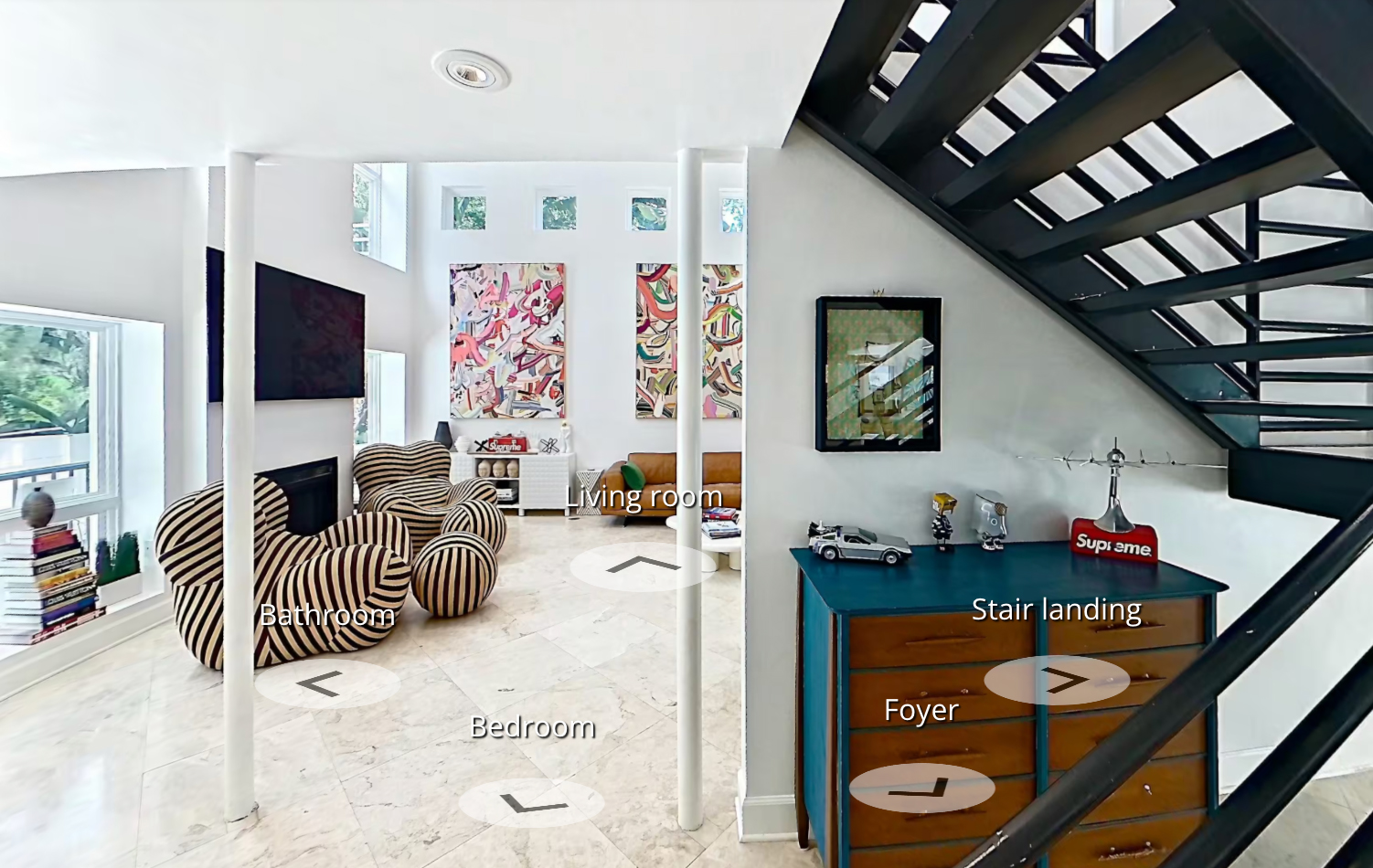
Every tour starts before the buyer ever opens the front door.
The walk path is doing more work than the camera
It's tempting to think tour quality is mostly about camera resolution. In our experience, the bigger factor is the path the scan takes through the home. A tour that wanders — bathroom, then bedroom, then back through the kitchen — makes buyers work to build a mental map. A tour that follows the same logical flow a real showing would (entry, main living space, then bedrooms, then outdoor) lets a buyer's brain do less reconstruction and more evaluating. That's the difference between someone finishing the tour and someone abandoning it halfway through.
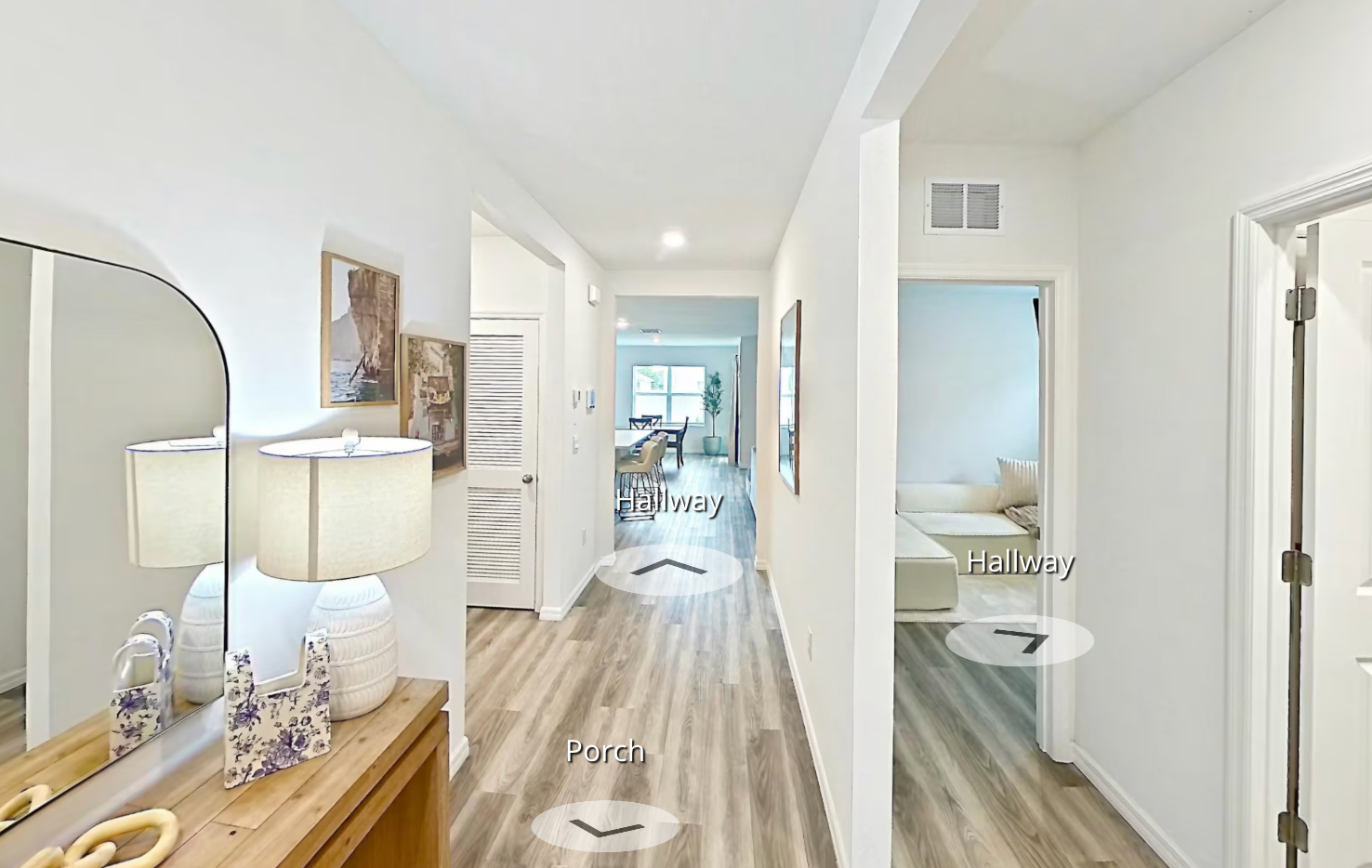
A tour that mirrors a real showing's flow keeps buyers oriented room to room.
Consistent light beats "perfect" light
Every room in a home has different light temperature — warm bulbs in the living room, daylight through a kitchen window, cool LEDs in a garage. Buyers don't consciously notice color temperature, but they do notice when a tour feels disjointed room to room, and it quietly undercuts the sense of authenticity that Redfin's piece points to as one of a tour's biggest selling points. Matching white balance across every capture point is a small technical step that has an outsized effect on whether a tour reads as "one real house" or "a slideshow of rooms."
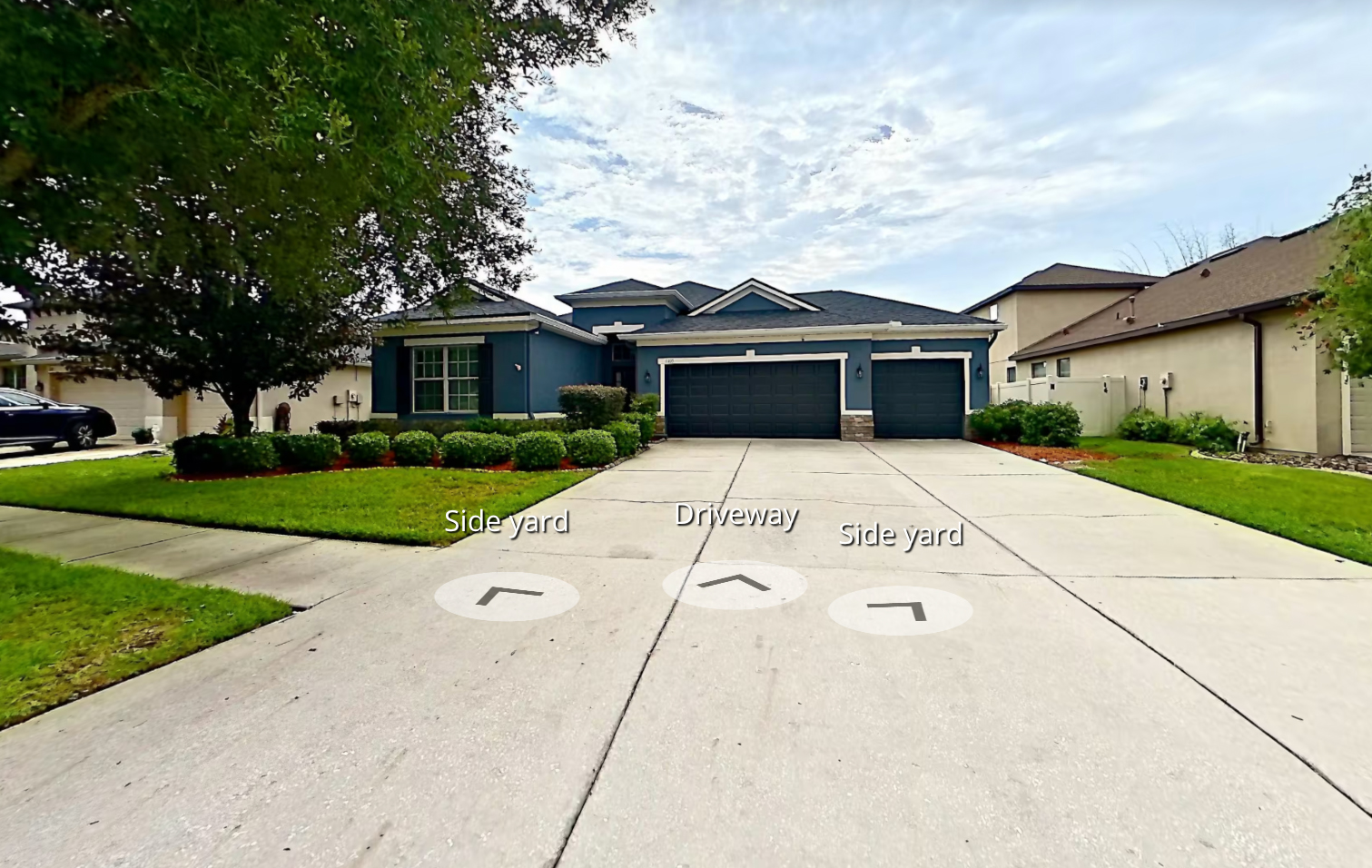
Consistent light across every room keeps a tour feeling like one real home, not a patchwork of captures.
Where you host it changes who actually opens it
A tour is only as useful as its distribution. MLS syndication gets it in front of agents and serious local buyers; a standalone link works better for social and email; an embedded version on the listing page keeps a buyer engaged longer before they bounce to another listing. For markets like ours, where a meaningful share of interest comes from relocation and out-of-state buyers, we usually recommend at least two hosting paths so the tour shows up wherever that buyer is actually looking, not just where it's easiest for an agent to post it.
Pair it with a floor plan, not just photos
Redfin's piece rightly points out that tours and photos do different jobs. We'd add one more layer to that: a linked floor plan closes the gap between them. Photos sell the feel of a room; the 3D tour sells the flow between rooms; the floor plan is what a buyer pulls up afterward to check whether their furniture actually fits. Listings with all three tend to hold a buyer's attention longest, because each one answers a question the others can't.
None of this replaces the case Redfin makes for why virtual tours matter to sellers — that part's well covered. This is just the production side of it: the decisions that turn a tour from a nice-to-have into something a buyer actually uses to make a decision. If you're an agent in the Tampa Bay area weighing whether your next listing needs one, we're happy to walk through what that would look like for your property.
